
Introduction
Heating, ventilation, and air conditioning systems play a vital role in keeping homes comfortable throughout the year. From cold winter mornings to hot summer afternoons, your HVAC system works quietly in the background to maintain indoor comfort. Yet many homeowners overlook regular care until something goes wrong. Unexpected breakdowns, rising energy bills, and uneven temperatures are often the result of neglected upkeep.
HVAC maintenance is not just about fixing problems, it is about preventing them. With consistent attention, homeowners can extend system lifespan, improve energy efficiency, and enjoy healthier indoor air. This complete guide is designed to help you understand why HVAC maintenance matters, what tasks you can handle yourself, when to call professionals, and how to create a long-term maintenance strategy that protects your investment.
Section 1: Why HVAC Maintenance Matters for Homeowners
Protecting Your Investment
An HVAC system is one of the most expensive components in a home. Replacing a furnace, air conditioner, or heat pump can be a significant financial burden. Regular HVAC maintenance helps reduce wear and tear, allowing parts to operate as designed. Systems that are properly maintained can last several years longer than neglected ones, which means homeowners get more value from their initial investment.
Improving Energy Efficiency
Dust buildup, clogged filters, and poorly maintained components force HVAC systems to work harder. This extra strain increases energy consumption and drives up utility bills. Simple maintenance tasks such as cleaning filters and checking airflow can significantly improve efficiency. Over time, homeowners who prioritize HVAC maintenance often see noticeable savings on heating and cooling costs.
Enhancing Indoor Comfort
Uneven temperatures, weak airflow, and excessive noise are common signs of an HVAC system that needs attention. Maintenance ensures consistent performance across all rooms. When components are clean and calibrated, your system can distribute air evenly, maintain steady temperatures, and operate more quietly.
Supporting Healthier Indoor Air
HVAC systems circulate air throughout your home. If filters, coils, or vents are dirty, contaminants can spread indoors. Regular maintenance helps reduce dust, allergens, and other particles, which is especially important for households with children, elderly residents, or individuals with allergies or respiratory conditions.
Section 2: Essential HVAC Maintenance Tasks Homeowners Can Do
Many aspects of HVAC maintenance do not require professional tools or advanced technical skills. Homeowners who stay proactive can handle several important tasks on their own.
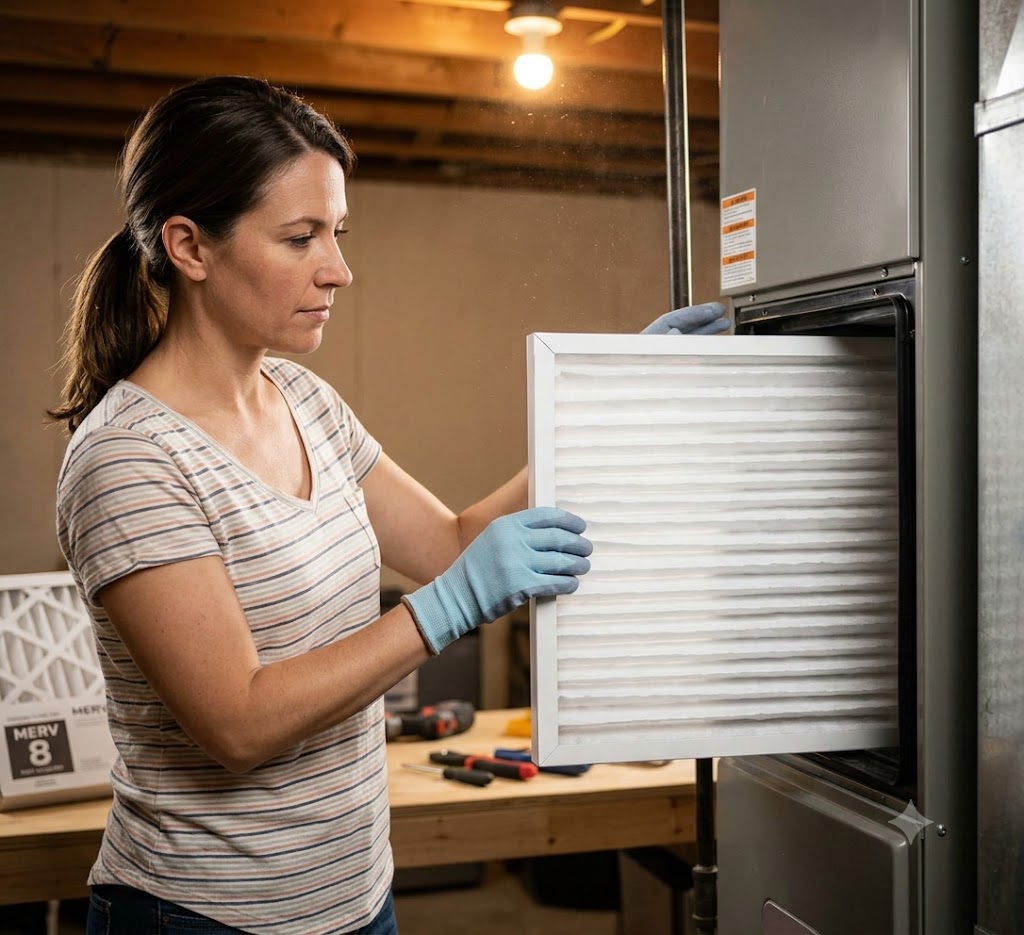
Changing or Cleaning Air Filters
This is one of the simplest and most effective maintenance steps. Air filters trap dust, pollen, and debris before they enter the system. When filters become clogged, airflow is restricted, forcing the system to work harder.
Most filters should be replaced or cleaned every one to three months, depending on usage, pets, and indoor air quality. Clean filters improve efficiency, reduce strain on components, and support healthier air circulation.
Keeping Outdoor Units Clear
For homes with central air conditioning or heat pumps, the outdoor unit plays a crucial role. Leaves, dirt, grass clippings, and debris can block airflow around the unit. Homeowners should regularly inspect the area and clear any obstructions within a few feet of the unit.
Maintaining proper clearance allows heat to dissipate efficiently and prevents overheating, which can lead to system failure.
Checking Thermostat Settings
Your thermostat acts as the control center for your HVAC system. Ensure it is functioning correctly and set to appropriate temperatures for different seasons. Programmable or smart thermostats can automatically adjust settings based on daily routines, reducing unnecessary energy use.
Homeowners should also replace thermostat batteries annually if applicable, to avoid unexpected shutdowns.
Inspecting Vents and Registers
Blocked or closed vents can disrupt airflow and cause pressure imbalances. Walk through your home occasionally to ensure vents and registers are open and unobstructed by furniture, rugs, or curtains. Keeping vents clean also helps maintain consistent airflow throughout the house.
Section 3: Seasonal HVAC Maintenance for Optimal Performance
HVAC systems operate differently depending on the season. Tailoring maintenance efforts to seasonal needs helps homeowners avoid surprises during peak usage periods.
Spring and Summer Maintenance
As temperatures rise, air conditioning systems take on heavier workloads. Before summer begins, homeowners should focus on preparing their cooling systems.
Key tasks include checking filters, cleaning outdoor units, and ensuring vents are open and clear. It is also wise to run the system early in the season to identify unusual noises or weak cooling performance. Catching small issues early can prevent breakdowns during extreme heat.
Fall and Winter Maintenance
When colder weather approaches, heating systems become the priority. Homeowners should inspect filters, test heating performance, and ensure thermostats are functioning correctly. Any signs of delayed ignition, unusual smells, or inconsistent heating should be addressed promptly.
Proper winter preparation not only ensures comfort but also improves safety, especially for systems that rely on combustion.
Transitional Seasons
Spring and fall are ideal times for more thorough inspections and professional servicing. HVAC systems are often used less during these periods, making it easier to schedule maintenance without disrupting daily comfort.
Section 4: When Homeowners Should Call HVAC Professionals
While many maintenance tasks are manageable, certain aspects require professional expertise. Knowing when to call an expert is essential for safe and effective HVAC maintenance.
Annual Professional Tune-Ups
Most HVAC manufacturers recommend professional inspections at least once a year, or twice for systems that provide both heating and cooling. During a tune-up, technicians check electrical connections, measure refrigerant levels, inspect heat exchangers, lubricate moving parts, and test system performance.
These inspections help identify potential problems early, improve efficiency, and maintain warranty coverage.
Addressing Unusual Symptoms
Strange noises, persistent odors, frequent cycling, or sudden spikes in energy bills often indicate deeper issues. Homeowners should not ignore these signs. Professional technicians have the tools and training to diagnose problems accurately and prevent further damage.
Specialized Cleaning and Repairs
Certain maintenance tasks, such as coil cleaning or air duct cleaning, require specialized equipment and should be handled by trained professionals. Attempting these tasks without proper knowledge can damage components or reduce system efficiency.
Section 5: Creating a Long-Term HVAC Maintenance Plan
Consistency is the key to successful HVAC maintenance. Homeowners who follow a structured plan are less likely to face unexpected repairs and costly replacements.
Building a Maintenance Schedule
Start by listing monthly, seasonal, and annual tasks. Monthly tasks may include filter checks and vent inspections. Seasonal tasks focus on preparing for heating or cooling demands. Annual tasks typically involve professional inspections.
Setting reminders on a calendar or smartphone helps homeowners stay on track.
Keeping Maintenance Records
Maintaining a simple log of filter changes, inspections, and repairs provides valuable insight into system performance. These records can also be useful when selling a home, as they demonstrate responsible ownership and system care.
Considering Maintenance Agreements
Many HVAC companies offer maintenance plans that include scheduled inspections, priority service, and discounts on repairs. For busy homeowners, these agreements provide peace of mind and ensure systems receive consistent attention.
Educating Household Members
Everyone in the household can contribute to HVAC maintenance. Simple habits, such as keeping vents clear and reporting unusual noises, help catch issues early. Educating family members about basic system care supports long-term performance.
Conclusion: Take Control of Your Home Comfort
HVAC maintenance is not a one-time task, it is an ongoing commitment that pays off in comfort, efficiency, and reliability. Homeowners who invest time and attention into their systems enjoy lower energy bills, fewer repairs, and longer equipment lifespan. By handling simple tasks, scheduling professional inspections, and following a consistent maintenance plan, you can protect one of your home’s most important systems.